
"Timber floors are beautiful and durable — but only when you clean them the right way. One wrong product can dull the finish or raise the grain."
— Mark Hutchison, Founder, LifewoodKnowing how to clean timber floors correctly is the difference between floors that last a lifetime and floors that fade, warp, or scratch within years. Whether you have solid hardwood, engineered timber, or Lifewood's Stabilised Solid flooring, the right cleaning technique protects both the surface finish and the structural integrity of the boards.
This guide covers exactly how to clean timber floors — from daily sweeping routines to choosing safe cleaning products — with expert advice tailored to Australian conditions and Lifewood's own timber floor range.
Step 1: Start with Sweeping and Dusting
The most important rule for how to clean timber floors is deceptively simple: sweep or vacuum first, every time. Grit, sand, and fine debris act like sandpaper underfoot. Left on the surface, they create micro-scratches that dull a timber floor's finish over time — damage that cannot be reversed without sanding and recoating.
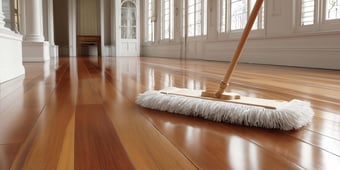
Use a soft-bristle broom, a microfibre dust mop, or a vacuum cleaner with a hard-floor setting (never a beater bar attachment). Sweep with the grain of the timber to pick up debris from between the boards. In high-traffic areas such as hallways and living rooms, a daily sweep is ideal. For lower-traffic rooms, sweeping two to three times per week is sufficient.
- Use a soft-bristle broom or microfibre dust mop
- Vacuum on hard-floor mode — never use a rotating beater bar
- Sweep with the grain of the timber
- Daily sweeping in high-traffic areas; 2–3 times per week elsewhere
Step 2: Damp Mop to Remove Dirt and Grime
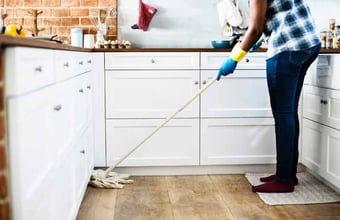
Once you've swept away loose debris, a damp mop removes the everyday dirt, oils, and grime that sweeping alone can't lift. The critical word here is damp — not wet. Excess moisture is timber's greatest enemy. Water left standing on a timber floor can penetrate the grain, cause swelling, and in worst cases, lead to cupping or warping of individual boards.
Wring your mop out thoroughly so it's barely moist, then mop in the direction of the grain. Never use a steam mop on timber floors — the high-heat moisture forces water deep into the wood and can permanently damage both the finish and the substrate, especially in engineered timber with a timber core.
How to damp mop correctly:
- Use a flat microfibre mop — avoid string or sponge mops that hold too much water
- Wring the mop until no drips remain
- Mop in the direction of the timber grain
- Dry any remaining moisture with a clean dry cloth immediately
- Never use a steam mop on any timber floor
Step 3: Choosing the Right Cleaning Products
The question of which cleaning products are safe for timber floors is one Lifewood customers ask constantly — and for good reason. The wrong product can strip a polyurethane finish, cloud an oil-finished floor, or leave a residue that attracts more dirt over time.
Polyurethane-finished floors: A diluted mild dish soap solution or a purpose-made timber floor cleaner works well. White vinegar diluted in water (roughly 1/2 cup per 3.8 litres) is safe for polyurethane-finished floors, as its mild acidity cuts through grime without damaging the coating. However, avoid vinegar on oil-finished timber floors — the acid can break down the oil finish over time.
Oil-finished floors: Use a cleaner specifically formulated for oil-finished timber. Lifewood recommends WOCA products, including the WOCA Wood Floor Cleaner and WOCA Maintenance Oil, which clean and nourish the oil finish simultaneously. Never use general household floor cleaners, wax-based products, or any cleaner containing bleach, ammonia, or abrasive particles.
- Polyurethane finish: diluted mild soap or diluted white vinegar solution
- Oil finish: WOCA Wood Floor Cleaner or equivalent oil-finish-safe product
- Avoid: bleach, ammonia, abrasive cleaners, wax-based products, vinegar on oil finishes
- Always test new products on a hidden section of floor first
Why Cheap Timber Floors Are Harder to Keep Clean
Not all timber floors respond the same to cleaning. Cheap imported boards with thin veneers are far more susceptible to moisture damage from even routine damp mopping. The core material — often HDF (high-density fibreboard) — expands rapidly when exposed to moisture, causing the veneer to lift, crack, or separate at the joins.
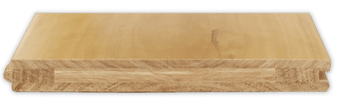
Lifewood's Stabilised Solid technology uses a multi-directional timber core rather than HDF, which dramatically reduces the floor's expansion and contraction in response to moisture and humidity changes. This means your floors are not only safer to damp mop, but they also maintain their appearance and structural integrity over decades rather than years.
When you're learning how to clean engineered timber floors, the answer depends heavily on the quality of the floor you have. With Lifewood's Stabilised Solid construction, you get a floor that can be maintained safely with standard damp mopping routines — without the anxiety of wondering whether cleaning is causing damage.
Ready to Choose Your Perfect Floor?
Download the Lifewood 2026 Price Guide to explore our range of Australian hardwood and engineered timber floors, complete with pricing, species options, and installation details.
DOWNLOAD 2026 PRICE GUIDEVisit a Lifewood Showroom
See and touch the full Lifewood timber floor range in person. Our showroom consultants can walk you through the cleaning and maintenance requirements for each floor finish, helping you choose a floor that suits your lifestyle and home.
BOOK AN APPOINTMENT2026 Price Guide
Our comprehensive 2026 Price Guide covers the full Lifewood range — from select hardwood species to engineered options — with transparent pricing, installation costs, and maintenance recommendations for each finish type.
DOWNLOAD NOWFrequently Asked Questions: How to Clean Timber Floors
How often should I clean my timber floors?
Sweep or dust mop high-traffic areas daily and lower-traffic rooms 2–3 times per week. Damp mop once a week in high-traffic areas and every 1–2 weeks elsewhere. Deep cleaning with a timber-safe product can be done monthly or as needed.
Can I use a steam mop on timber floors?
No. Steam mops should never be used on timber floors — including engineered timber. The high-heat steam forces moisture into the grain and joints of the boards, causing swelling, warping, and finish damage that is often irreversible. Use a lightly damp microfibre mop instead.
What is the best mop for timber floors?
A flat microfibre mop is the best choice for timber floors. Microfibre picks up dust and fine debris effectively, holds very little water, and won't scratch the surface. Avoid string mops, sponge mops, and any mop that retains significant amounts of water after wringing.
Can you use vinegar to clean timber floors?
Diluted white vinegar is safe for polyurethane-finished timber floors when used sparingly (approximately half a cup per 3.8 litres of warm water). However, vinegar should never be used on oil-finished timber floors — the acidity breaks down the oil finish over time. When in doubt, use a pH-neutral timber floor cleaner.
How do I clean engineered timber floors?
Engineered timber floors are cleaned the same way as solid timber: sweep first, then damp mop with a barely moist microfibre mop using a timber-safe cleaning solution. The key difference is that engineered timber with a thin veneer or HDF core is more vulnerable to moisture damage than solid timber or Stabilised Solid construction, so keeping moisture to an absolute minimum is especially important.
What cleaning products are safe for timber floors?
For polyurethane-finished floors: diluted mild dish soap, diluted white vinegar, or a purpose-made timber floor cleaner. For oil-finished floors: WOCA Wood Floor Cleaner, or any cleaner specifically formulated for oil-finished timber. Avoid bleach, ammonia, harsh chemicals, wax-based polishes, and any cleaner labelled for tiles or vinyl.
How do I clean floating timber floors?
Floating timber floors require extra care with moisture because the boards are not fixed to the subfloor and rely on their join system for stability. Use the minimum amount of moisture when damp mopping, ensure the mop is thoroughly wrung out, and dry the floor immediately after mopping. Avoid wetting the joins or gaps between boards.
Why do cheap timber floors crack or warp after cleaning?
Cheap imported timber boards typically use an HDF (high-density fibreboard) core, which expands rapidly when exposed to moisture — even small amounts from regular mopping. This causes the veneer to lift, boards to cup, and joins to separate. Quality timber floors with a stable multi-layer timber core, like Lifewood's Stabilised Solid construction, are far more resistant to moisture-related movement during cleaning.