
Timber vs Bamboo Flooring: Which Should You Choose?
Establishing the look and feel of your whole home hinges on a few pivotal decisions. A major one is the flooring you choose. Timber and bamboo flooring are both natural flooring options, but when it comes to long-term performance, beauty, and value, timber is the clear frontrunner. Understanding the differences will help you make the right choice for your living space.
What is timber flooring?
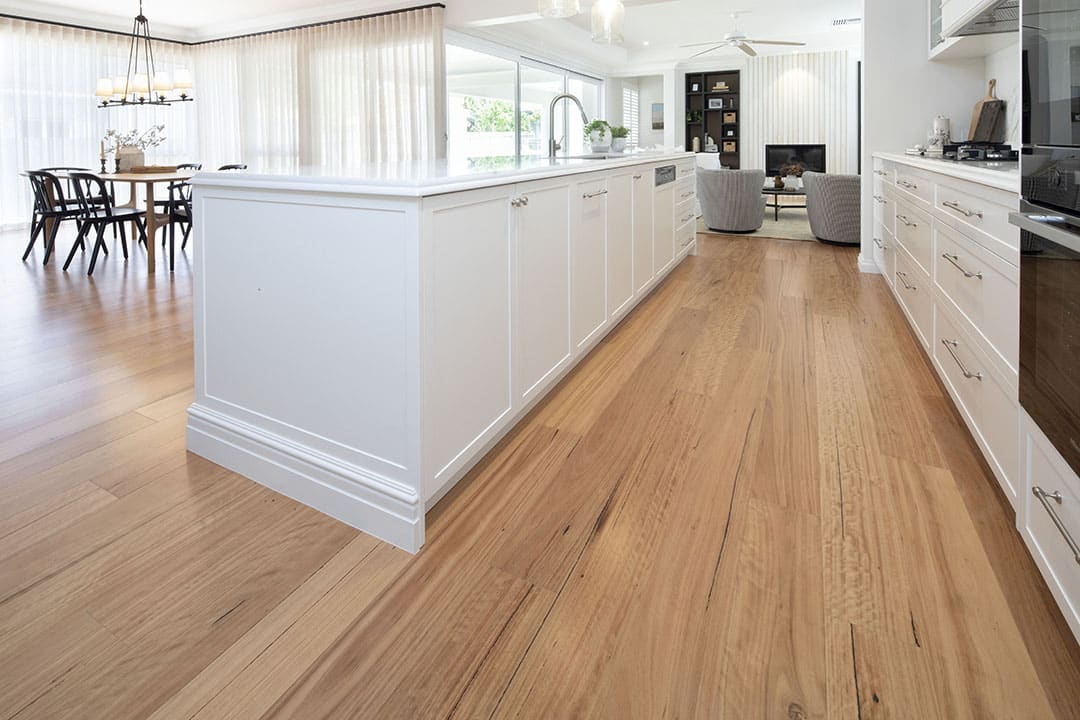
Timber flooring is a timeless embodiment of natural beauty and enduring quality. Made from solid hardwood or engineered wood, timber flooring features a stunning array of grains and rich colours that elevate any interior design. Its solid composition is hard-wearing and lasts for generations and unlike bamboo, it only gets more characterful with age. Timber is a genuine natural product, sourced directly from nature, and that authenticity shows in every plank. Premium engineered timber can also be sanded and refinished with ease, giving you complete control over its look for decades to come.
What is bamboo flooring?
Bamboo flooring is made from the fast-growing bamboo plant and is often marketed as an eco-friendly alternative to timber. However, it’s important to understand what bamboo flooring actually is: a heavily processed, man-made product. Bamboo stalks are shredded, compressed, and bonded together under heat and pressure a manufacturing process that gives it a more industrial character than its natural marketing suggests.
Despite its natural origins, bamboo flooring is fundamentally a manufactured composite. Over time, this shows the surface can begin to take on a coarse, grainy texture that is closer in appearance to chipboard than to a premium natural floor.
What begins as a contemporary-looking floor can lose its appeal faster than expected. As bamboo ages, it doesn’t develop the warmth and character of timber instead, it tends to look increasingly industrial and artificial, a reminder that it is a processed material rather than a true product of nature.
Water resistance: is timber flooring waterproof?
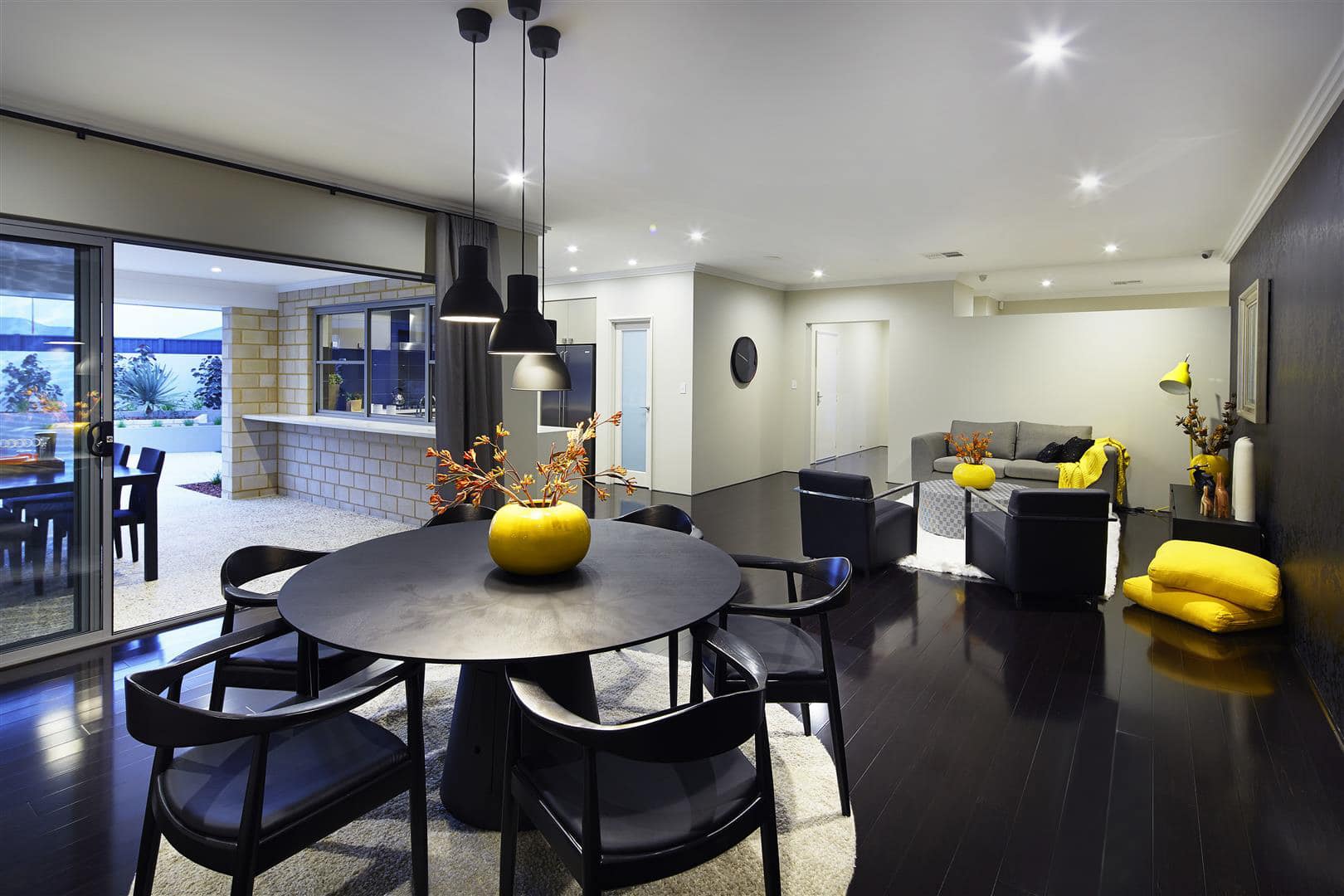
Neither bamboo nor timber is fully waterproof, so care should be taken in moisture-prone areas like kitchens. High-quality engineered timber floors like those from Lifewood offer exceptional moisture resistance, outperforming both bamboo and solid timber options. Bamboo’s composite construction can also make it more susceptible to swelling, warping, and surface delamination in humid environments over time.
Maintenance: cleaning timber vs bamboo floors
Both floor types share similar day-to-day care requirements: sweep regularly and use a lightly dampened mop for routine cleaning. Wipe up spills immediately and avoid excessive moisture. Where timber truly pulls ahead is in its long-term resilience if surface wear occurs, engineered and solid timber floors can be refinished and brought back to life with ease. Bamboo, once chipped or deeply scratched, is far harder to restore, and attempting to do so without a specialist risks making the floor look worse.
Appearance and design flexibility
Timber’s natural grain variation, depth of colour, and warm character are difficult to replicate. Each plank is unique, giving your home a richness and authenticity that bamboo’s more uniform, processed appearance simply cannot match. With a wide spectrum of species, stains, and finishes available, timber flooring offers unmatched design versatility, whether your aesthetic leans classic, coastal, or contemporary. And crucially, that beauty holds up. Timber looks like a natural product because it is one and that quality endures.
Long-term value and investment
When it comes to long-term value, timber flooring is the stronger investment. Premium engineered timber can be refinished multiple times, dramatically extending its lifespan and keeping the floor looking its best. Bamboo floors, while serviceable in their early years, tend to show their age poorly, chipping, dulling, and taking on an industrial, chipboard-like appearance that no amount of cleaning can fix. Bamboo is ultimately a man-made product that doesn’t last and looks worse over time. For a floor that holds its beauty, ages with grace, and adds genuine long-term value to your home, timber is the clear and superior choice.
Durability Of Timber and Bamboo Flooring
Timber flooring offers proven, lasting structural stability. Quality hardwood handles the demands of daily life and stays beautiful for generations ageing gracefully in a way bamboo simply cannot match.
While bamboo is often promoted as hard and durable, its real-world performance tells a different story over time. Bamboo floors are prone to chipping, surface cracking, and dulling and as the wear layer degrades, the compressed, grainy underlayer begins to show through, giving the floor a rough, chipboard-like appearance. Timber, by contrast, ages gracefully. Its natural grain deepens, its character grows, and it continues to look like exactly what it is: a beautiful product from a natural resource.
Appearance over time
This is where the difference between the two floors becomes most apparent. Timber flooring evolves beautifully with age, the grain develops richness, minor wear adds character, and the floor retains its identity as a natural material. Bamboo tells a very different story.
Rather than ageing with grace, bamboo floors tend to look worn, coarse, and increasingly man-made as the years go by. The surface becomes grainy and flat, losing the warmth that may have attracted you to it in the first place. In a side-by-side comparison of aged samples, bamboo can look strikingly similar to chipboard a far cry from the premium natural flooring it is marketed as.
Aged bamboo flooring often loses the premium aesthetic it starts with the compressed fibre construction becomes more visible over time, giving it an industrial, man-made look that is difficult to reverse.
Resurfacing: a much bigger challenge with bamboo
One of the great advantages of timber flooring is how straightforward it is to refinish. When a timber floor shows its age, a professional sand and re-coat restores it to near-original condition it’s a well-understood process with reliable results. Bamboo is a very different story. Because of its compressed fibre construction, resurfacing bamboo requires a specialist, and even then the results can be unpredictable. The process is prone to complications: uneven sanding, exposed layers, and inconsistent absorption of stains and coatings are all common issues. Many homeowners find that attempting to refinish bamboo simply isn’t worth the risk and in many cases, replacement is the more practical outcome. With timber, resurfacing is an investment. With bamboo, it’s often a gamble.
Frequently Asked Questions
Is timber flooring a good choice for homes?
Timber flooring is one of the best investments you can make for your home. It’s durable, beautiful, and adds long-term value outperforming bamboo in longevity, appearance over time, and overall aesthetic appeal.
Is bamboo flooring as durable as timber?
No. While bamboo can perform reasonably well when new, it is prone to chipping and surface deterioration as it ages. The compressed fibre construction begins to show through, giving it a grainy, chipboard-like appearance very different from the graceful ageing of genuine timber flooring.
Why does bamboo flooring start to look man-made over time?
Bamboo flooring is a manufactured composite; bamboo stalks are shredded, compressed, and bonded together, which gives it an industrial character beneath the surface finish. As the wear layer degrades, the coarser underlayer becomes visible, making the floor look grainy and artificial. Timber, being a genuine natural product, ages in the opposite way, developing more character and warmth over time.
Can bamboo flooring be resurfaced?
It is possible, but it requires a specialist and comes with significant risks. The composite construction of bamboo makes sanding and refinishing unpredictable, uneven results, exposed layers, and poor stain absorption are common issues. Timber flooring, by contrast, is straightforward to refinish with reliable, high-quality results.
Is timber flooring waterproof?
Timber floors are not fully waterproof, but engineered timber offers excellent moisture resistance. Prompt clean-up of spills and proper maintenance will keep your floor looking great for years and if wear ever does occur, timber can be refinished to restore its original beauty.
How do I clean a timber floor safely?
Sweep or vacuum regularly to remove grit and dust. Use a lightly dampened mop with a wood-safe, pH-neutral cleaner for routine cleaning. Always avoid excessive water and wipe spills up immediately.
Beauty meets longevity
Download
Price Guide
Your details are kept confidential

4.7 from 250 reviews