

What Makes Hardwood Floors Better for Home Renovations in Australia?
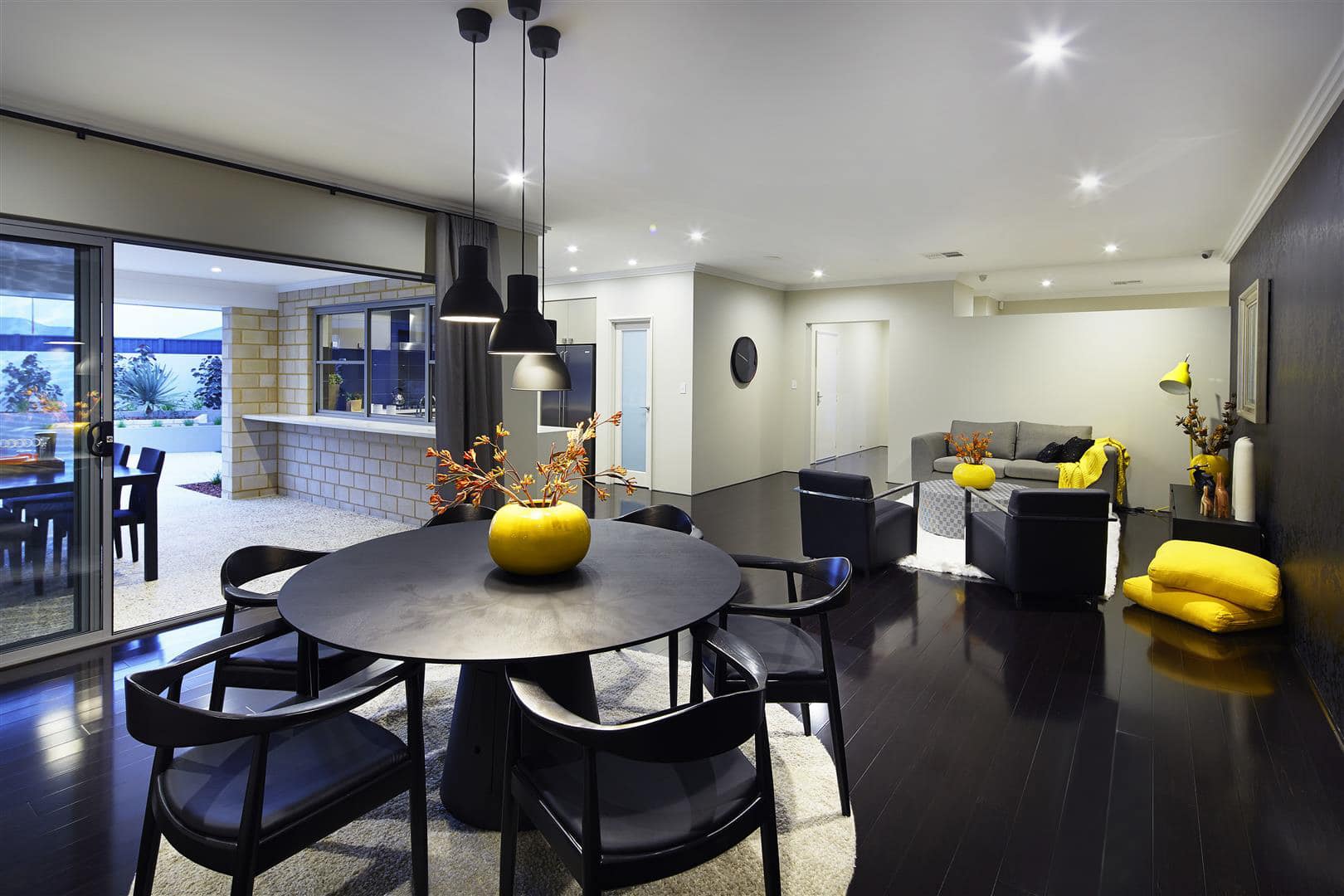
Hardwood flooring is often a better choice for renovations because it changes how a home looks and feels, lasts significantly longer than most alternatives, and can be restored instead of replaced.
For Australian homes, it also suits modern renovation styles and supports long-term property value.
What Most Homeowners Want From a Renovation
Most homeowners renovating aren’t just replacing a floor. They’re removing the cold, tiled areas, worn out carpets, and outdated, older homes.
They’re creating a home that feels warm, finished, and something they are proud to live in.
Many describe the result they want as:
“More homely”
“Warmer underfoot”
“A premium display-home feel”
Why Hardwood Works Better in Renovations
-
It transforms the feel of your home immediately
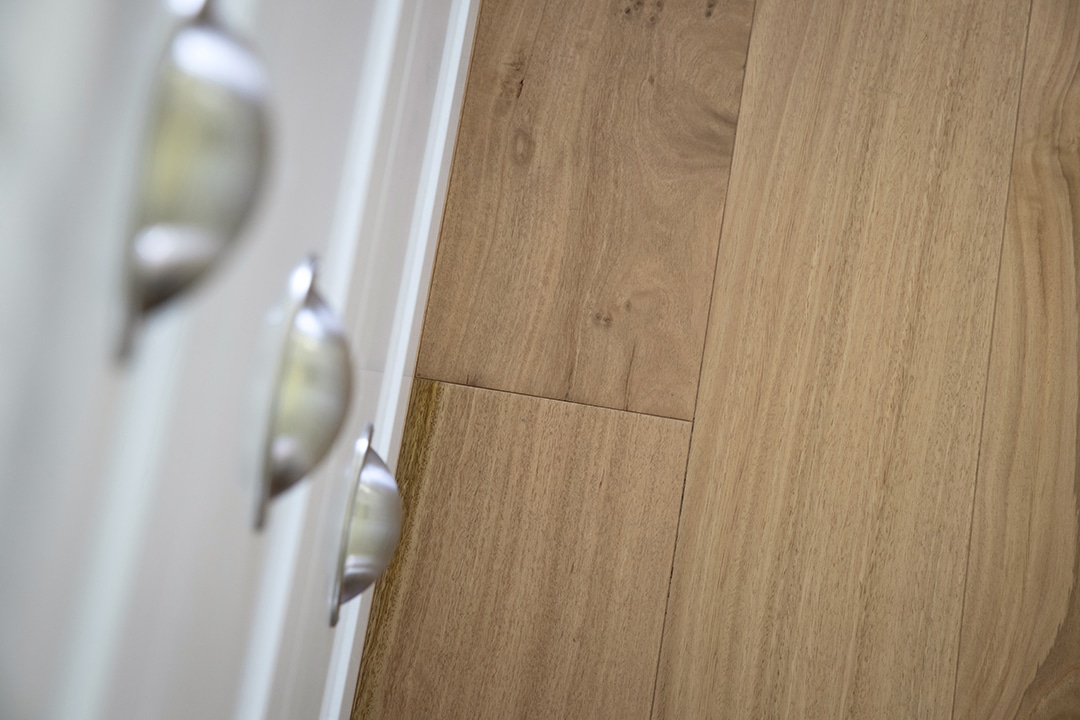
Timber flooring changes the visual tone of your space. Homes that previously feel cold or dated can feel warmer and more cohesive once timber is installed.
This is the main reason homeowners choose timber during renovations.
-
It’s built for long-term living
Hardwood is built for decades of use. Unlike many lower-cost options, it does not need to be replaced after 10 to 15 years.
It can also be refinished if needed, extending its lifespan further. This appeals to homeowners renovating their “forever home” and want it done right once.
-
It handles an active family life
Hardwood performs really well in active homes.
- Daily foot traffic
- Furniture movement
- Families with kids and pets
Many homeowners specifically choose timber because they want a floor that still looks good years after the installation.
-
It works with renovation complexity
Hardwood floors can be installed across a wide range of conditions.
Older homes often have uneven or inconsistent subfloors. Carpets can hide these issues. Hard flooring exposes them.
Proper timber installation includes subfloor preparation to ensure:
- Boards sit flat
- No hollow or “drummy” areas
- Long-term stability
This is a major factor in both cost and performance.
-
It avoids the biggest renovation regret
A common issue homeowners report is choosing a cheaper flooring option and needing to replace it earlier than expected.
“We paid a lot and within a few years it needed fixing or replacing.”
Hardwood reduces this risk by focusing on long-term performance rather than short-term savings.
Hardwood vs Other Flooring in Renovations
When comparing flooring options during a renovation, the key differences are:
Lifespan
- Hardwood: 20 to 50+ years
- Hybrid / laminate: typically 10 to 20 years
- Carpet: often 5 to 15 years
Visual impact
- Hardwood creates a consistent, high-end finish across the home
- Other materials can look good initially but may not age as well
Repairability
- Hardwood can be sanded and refinished
- Most alternatives must be replaced once worn
Long-term satisfaction
Homeowners who choose hardwood often prioritise:
- Getting the decision right the first time
- Avoiding future disruption
- Maintaining a consistent look over time
When Hardwood is Not the Best Option
Hardwood is not suitable for every renovation.
It may not be the right choice if:
- You are working to a tight timeline
- Custom or ordered timber can take 1 to 3 months to arrive
- The budget does not allow for proper preparation
- Subfloor preparation is essential and can add cost
- The property is a short-term investment or rental
- Timber requires care and may not suit high-turnover tenants
- The area is a wet room (bathrooms, laundries)
- The existing subfloor cannot be brought within required tolerances
Being clear on these limitations helps avoid issues later.
What to Watch Out for When Choosing Timber Flooring
Common problems reported by homeowners include:
- Product not matching the sample
- Poor communication after deposit is paid
- Installation delays
- Inconsistent installation quality
These issues are often not related to timber itself, but to how the project is managed.
Choosing a supplier with clear processes and installation standards is critical.
Why Construction and Manufacturing Quality Matters
Not all timber flooring performs the same. Construction method and manufacturing quality directly affect:
- Stability in changing temperatures
- Resistance to movement or warping
- Long-term durability
For example, multi-layer solid timber construction systems are designed so each layer counteracts movement in the others. This reduces the likelihood of boards shifting over time and allows them to return to shape if minor movement occurs.
Pre-finished boards also improve consistency and reduce on-site variables during installation.
These factors influence both performance and maintenance over time.
Renovation Timelines and What to Expect
Typical timelines for timber flooring in renovations:
- If stock is available: 2 to 4 weeks
- If ordering specific products: 3 to 4 months
Installation:
- 15 to 20m² per day for standard areas
- Staircases typically take 2 to 3 days
- Final cleaning usually requires an additional day
The most common cause of delays is high moisture content in the subfloor
This must be resolved before installation to prevent future issues.
Hardwood flooring is often the better choice for renovations because it:
- Transforms the look and feel of a home
- Supports long-term living
- Works across complex renovation conditions
- Can be restored instead of replaced
- Provides consistent performance over time
For homeowners planning to stay in their home and wanting a high-quality, lasting result, it is typically the most reliable option.
Book a showroom visit to compare timber, engineered, and hybrid flooring and get advice specific to your renovation.
Beauty meets longevity
Download
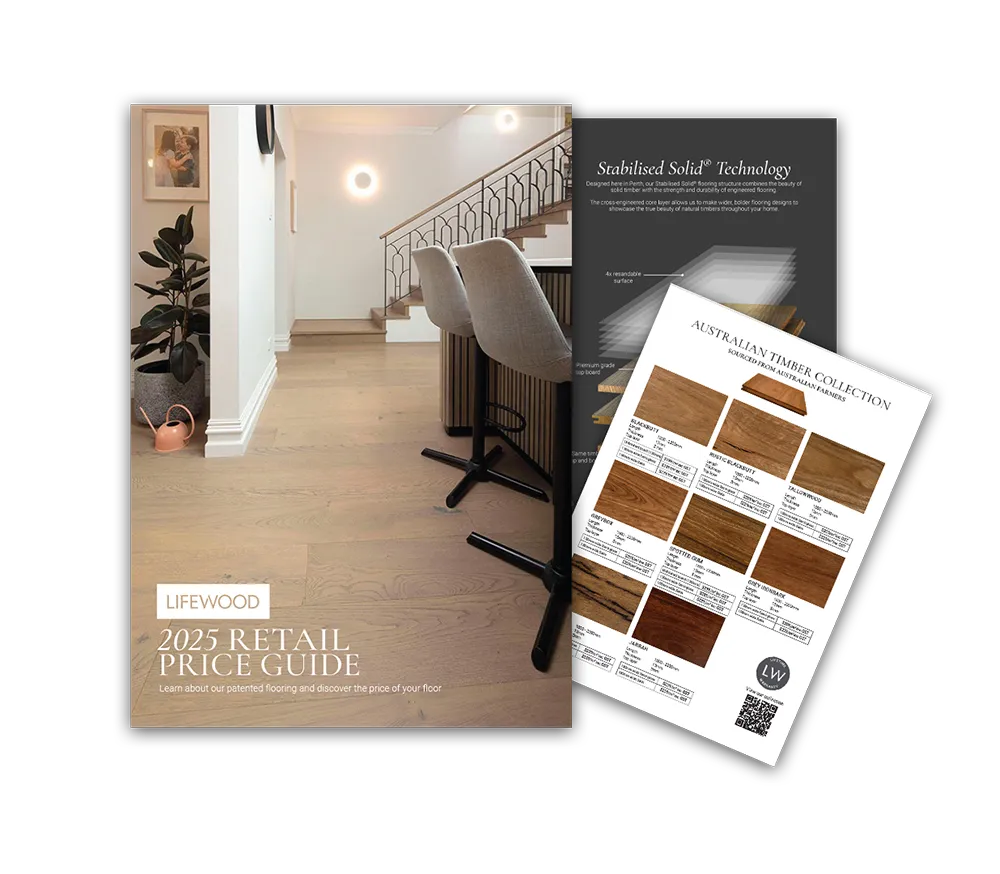
Price Guide
Your details are kept confidential

4.7 from 250 reviews