Inspiration & Customer Stories
Timber Flooring Perth
American Black Walnut
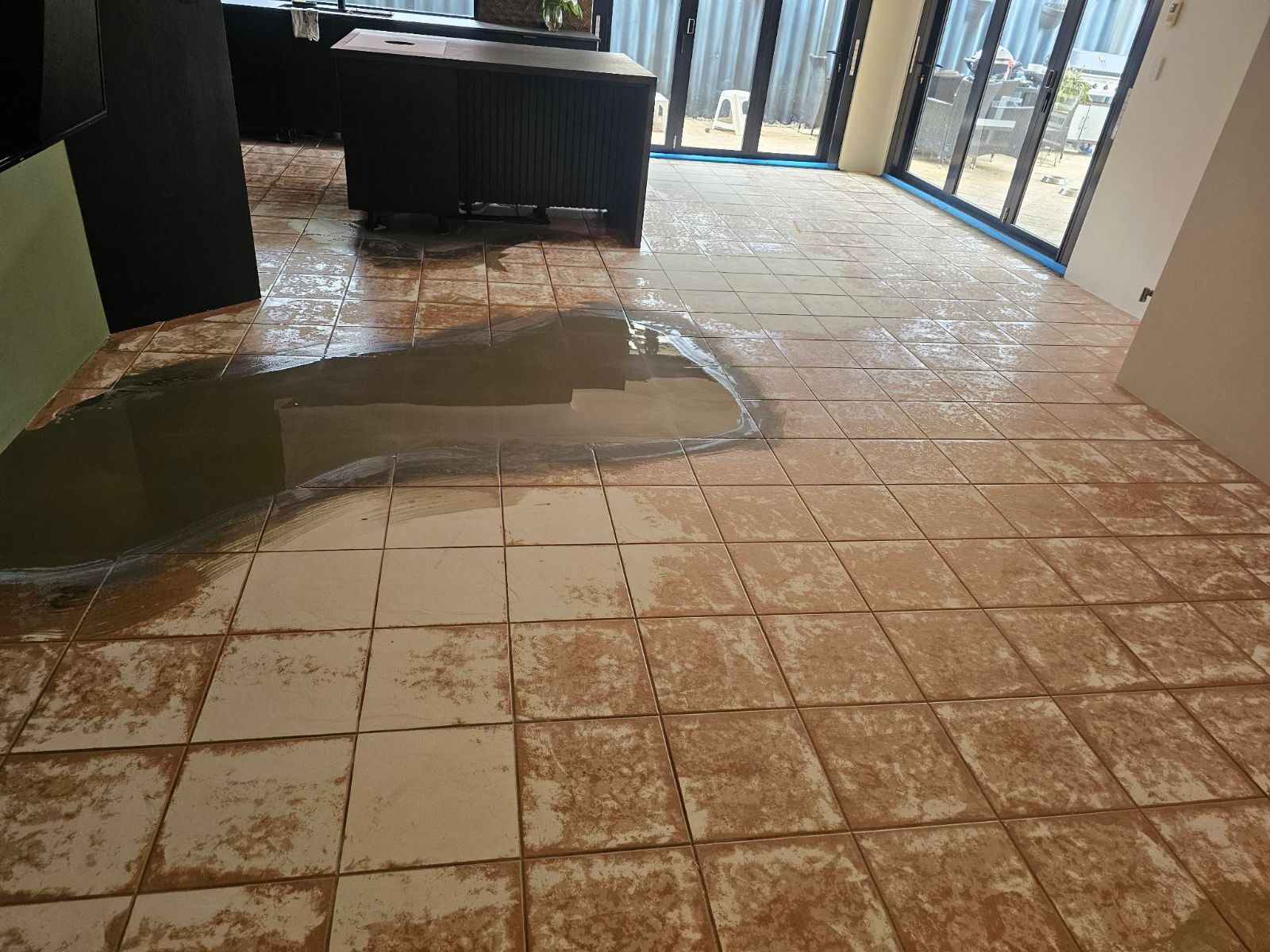

Preparing a floor for timber in Perth usually adds between $15 and $80 per square metre, depending on what is on the floor now and how flat the slab is underneath. Removing tiles runs about $30–40/m². Grinding and levelling a slab to timber standard adds $20–40/m². Flood-filling over sound tiles, instead of removing them, is about $15–25/m².
Those are the ranges Lifewood sees on Perth jobs, and they are quoted separately from the boards. They exist because a glued timber floor needs the slab flat to within 3mm over 3m, a much tighter tolerance than a concreter or tiler works to. We learned the hard way to control that step ourselves: Lifewood now does the levelling itself, or supervises it closely, before a board goes down. Our site inspection measures flatness and moisture before anything is quoted.
Every floor is different. Tell us about your floor and we will tell you what it needs.
A timber floor needs preparation because the boards are glued straight to the slab, and a rigid board cannot follow dips and humps. Where the slab is low, the board sits over a pocket of glue or air and sounds hollow underfoot. Where it is high, the board rocks.
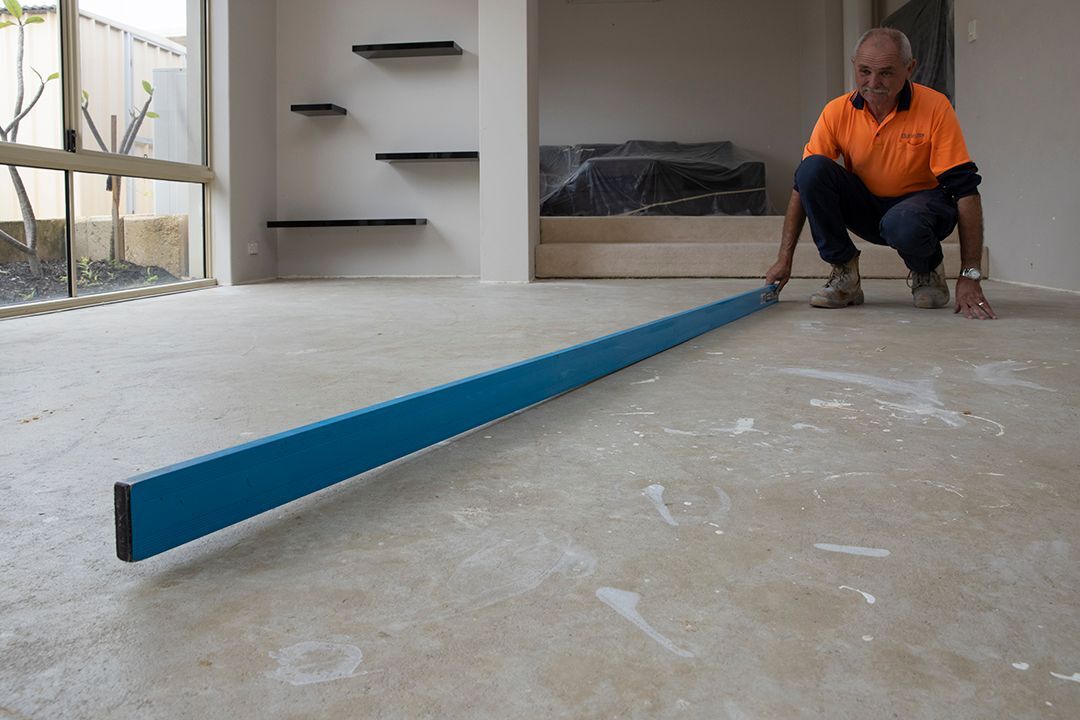
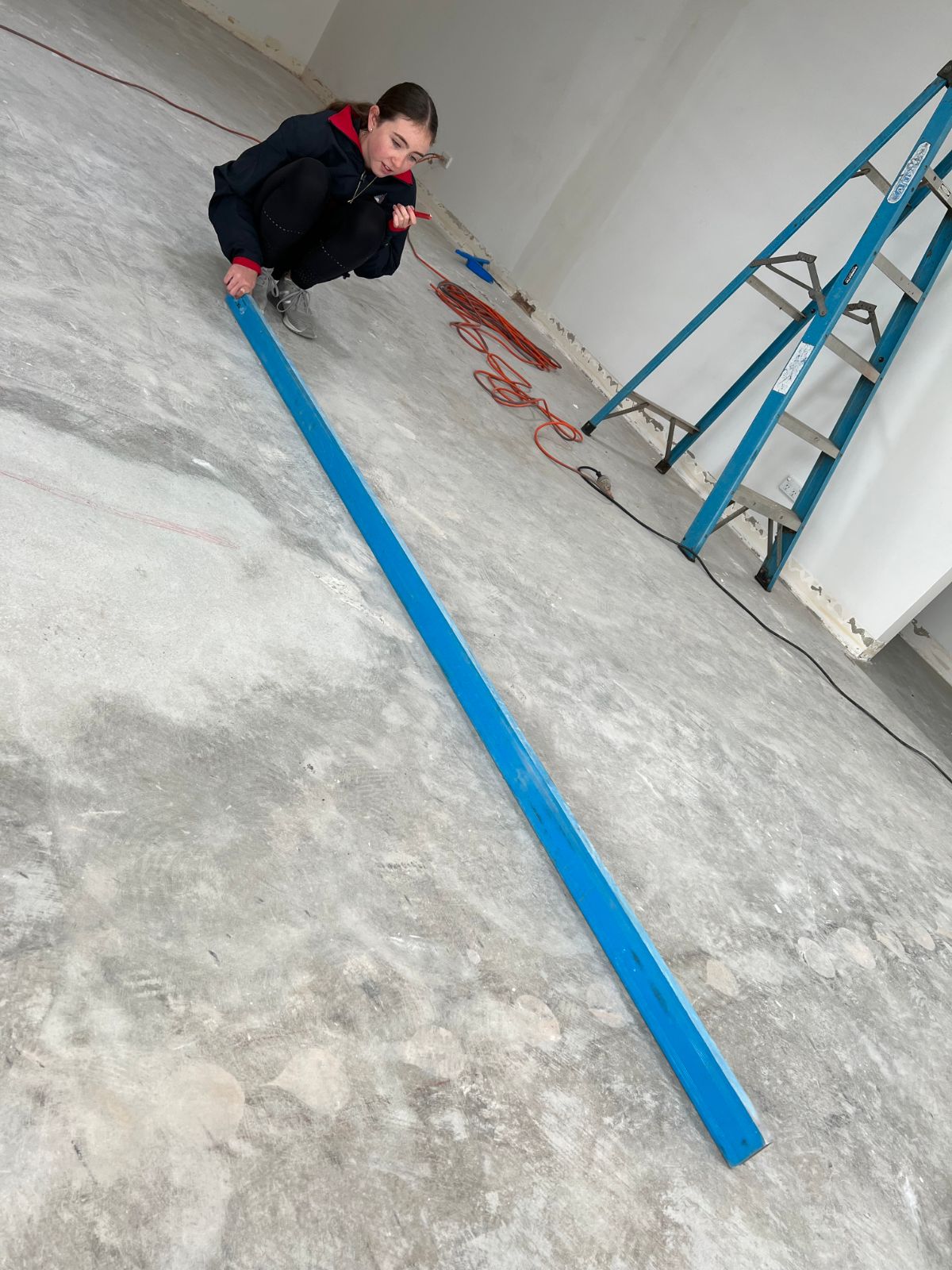
The standard for a glued timber floor is a slab flat to within 3mm under a 3m straightedge. The Australian Timber Flooring Association's guidance on installing over existing surfaces covers the same ground. A slab handed over by a builder, or uncovered by pulling up an old floor, is rarely that flat, and the gap is what preparation fills.
Most people spend their budget on the floor they fall in love with and leave nothing for the slab underneath. As Lifewood's founder Mark Hutchison puts it: "The most beautiful floor requires a beautiful flat floor underneath."
A floor preparation quote is only as good as the look someone has had at the floor. A simple house can sometimes be quoted in the showroom. A tiled floor never can.
"When it's tiles, that's never simple," Mark says, "because it really does need a site inspection." Someone has to see whether the tiles are glued down or loose, whether they are glossy, and whether there are big hollows under them. That check can be done by a Lifewood site supervisor, by the salesperson or by the installer, before you commit to anything.
Getting caught out by preparation costs is not uncommon. We try to raise it in the showroom before it becomes a surprise. Mark's approach is simple: "Let's just get out there and have a look." His advice to customers: "Just do the homework and get it checked before you commit."
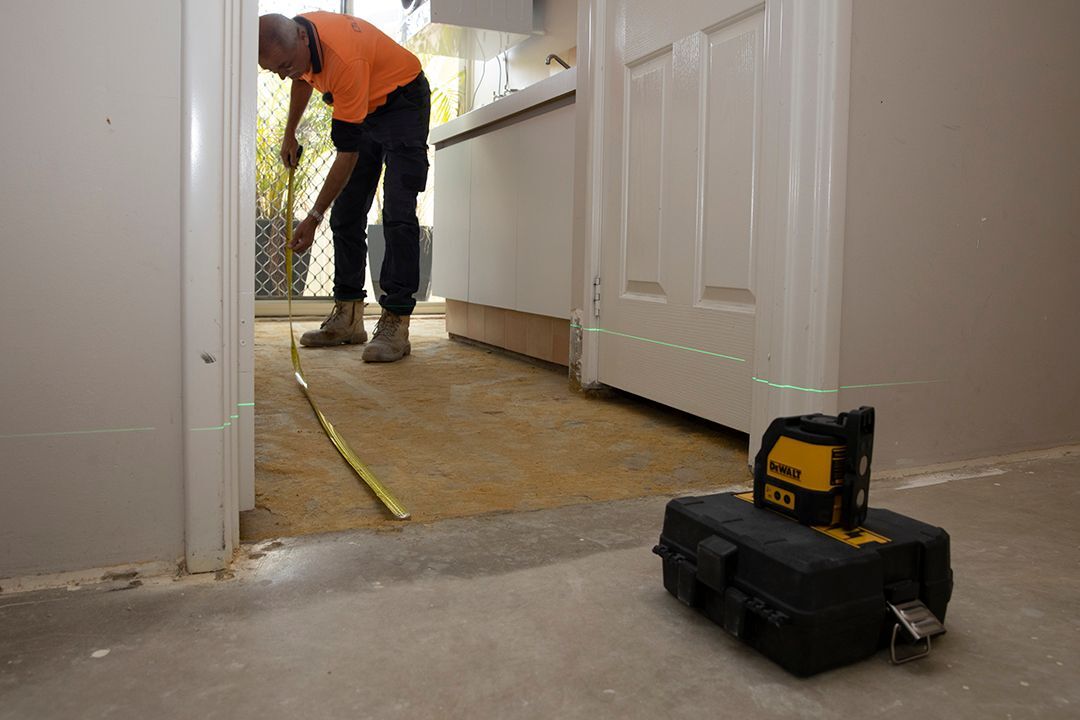
Removing floor tiles in Perth usually costs $30–40 per square metre, sometimes up to $50. Slate is harder to lift and runs $50/m² or more.
Check what the quote includes. Many demolition crews only lift the tiles, and some leave the old adhesive behind. Grinding that adhesive off and levelling the slab is a separate job, below.
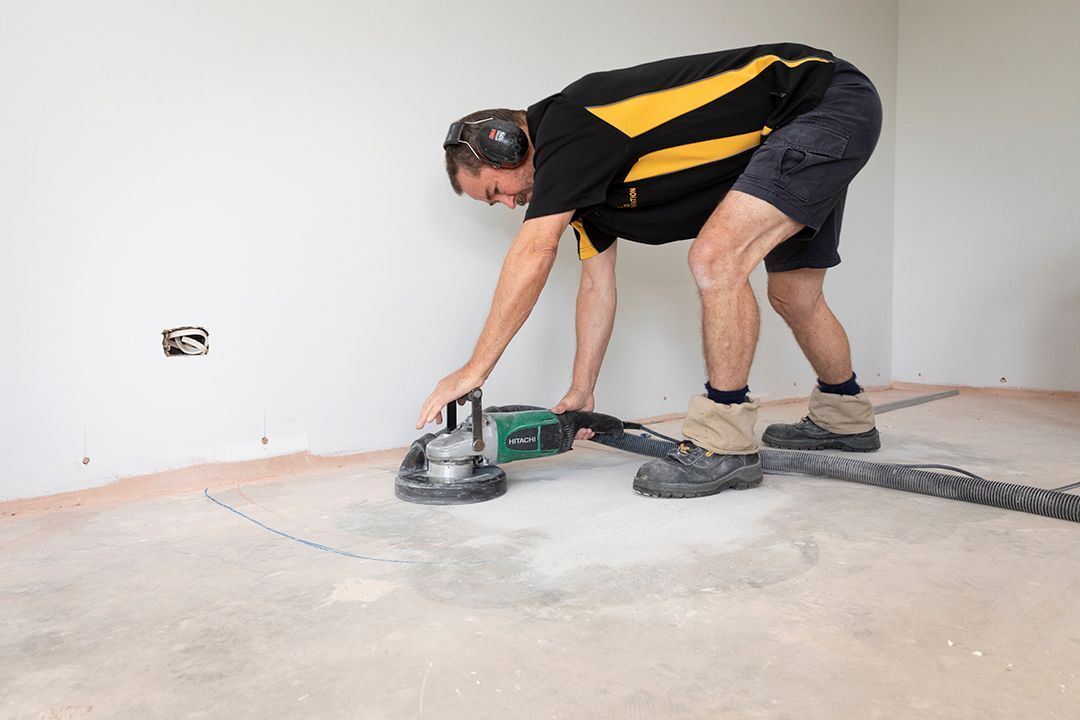
Grinding, patching and levelling a concrete slab to timber standard usually adds $20–40 per square metre. High spots are ground down, low spots are filled with a levelling compound, and the result is checked with a straightedge before any timber is laid.
This is the step most often missing from a demolition quote, and the one that decides whether the finished floor sounds solid. Our floor preparation page explains each method.
When a home has several old floors at different heights, the usual answer is to take everything back to the original slab and level it from there. Patching between surfaces rarely gives a flat, sound result.
Our team recently finished exactly that job for Cassie in Nedlands. Her 20-year-old home had an old Jarrah floor, an old parquetry floor and stone tiles, at three or four different levels, plus a long balustrade the crew had to work underneath.
We demolished the whole lot back to the original slab, then used a Mapei levelling compound to bring every area back to one flat level. The preparation took four days. It covers 143m², the whole upper floor and the downstairs bedrooms, and it is now ready for a 180mm Tallowwood Stabilised Solid® floor.
Often, yes. If the tiles are sound and well bonded, they can be ground, primed and flood-filled with levelling compound, then the timber is glued on top. That costs about $15–25 per square metre, or around $2,000 for 100m², and it is done in about a day.
About two-thirds of Lifewood customers still choose to remove their tiles. Removal keeps the floor low, avoids ramp boards at doorways and wet areas, and the saving from going over the top is small against the cost of the whole floor. Our post on laying timber floorboards over tiles covers when it works and when it doesn't.
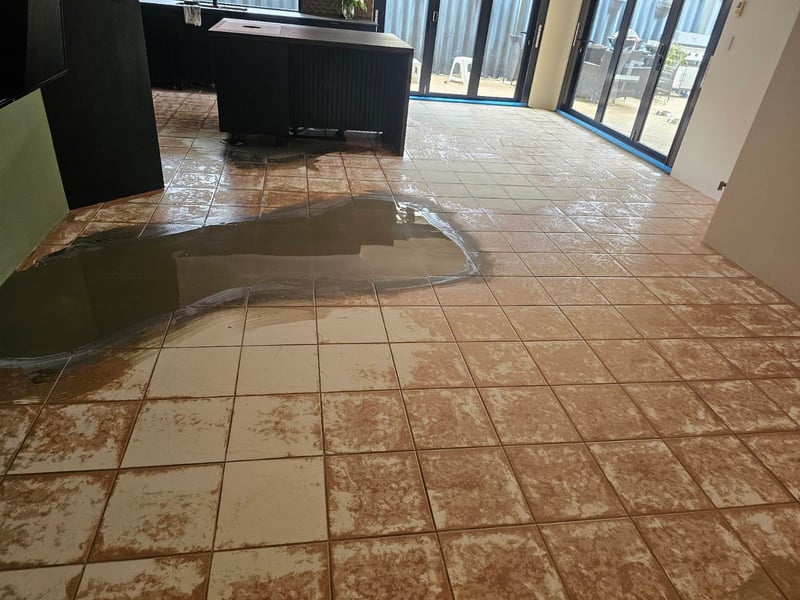
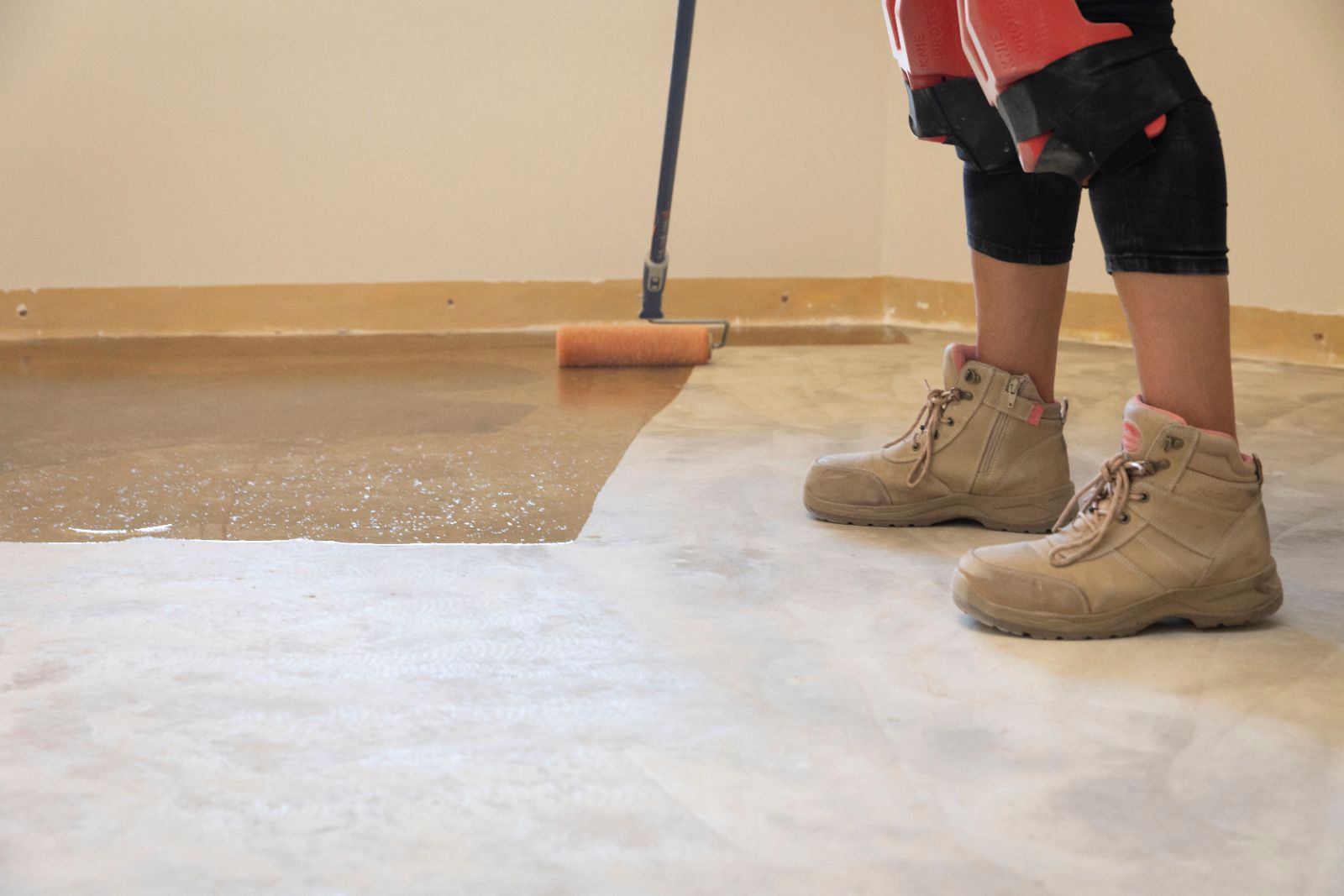
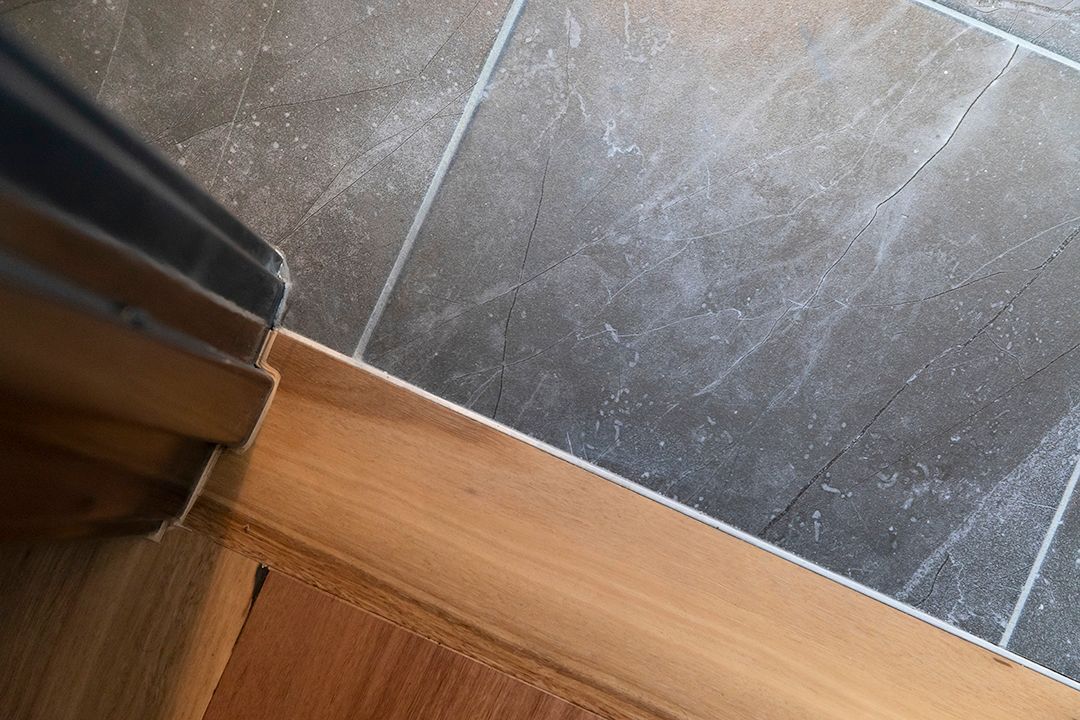
Poor floor preparation is cheap to avoid and expensive to fix, because once the boards are down, the only fix is to lift them. We know, because it happened on one of our own jobs.
On a 200m² Jarrah floor in South Perth, the customer's own contractor prepared the slab and we installed the floor. When a building inspector checked it, some of the hollow spots were outside the industry standard. We pulled up about 15m² of boards, poured levelling compound underneath, and laid the floor again. The materials alone cost us about $5,000.
The lesson changed how we work. Customers are welcome to use their own contractors, and builders often suggest one. But we now level the floor ourselves, or supervise it closely, before a board goes down, and we only rely on contractors we know work to 3mm over 3m.
Here is the arithmetic for a 100m² tiled living area, using the ranges above. It is an example, not a quote.
The boards are priced separately: $129–$259/m², boards only, GST included, in our 2026 price guide.
You can, but most people underestimate it. Floor preparation means demolition, running heavy grinders and pouring levelling compound, and it is physically punishing work. People who try it usually come away understanding why it costs what it does.
"It's a specialised skill," Mark says, one that "requires people with dedication to their craft."
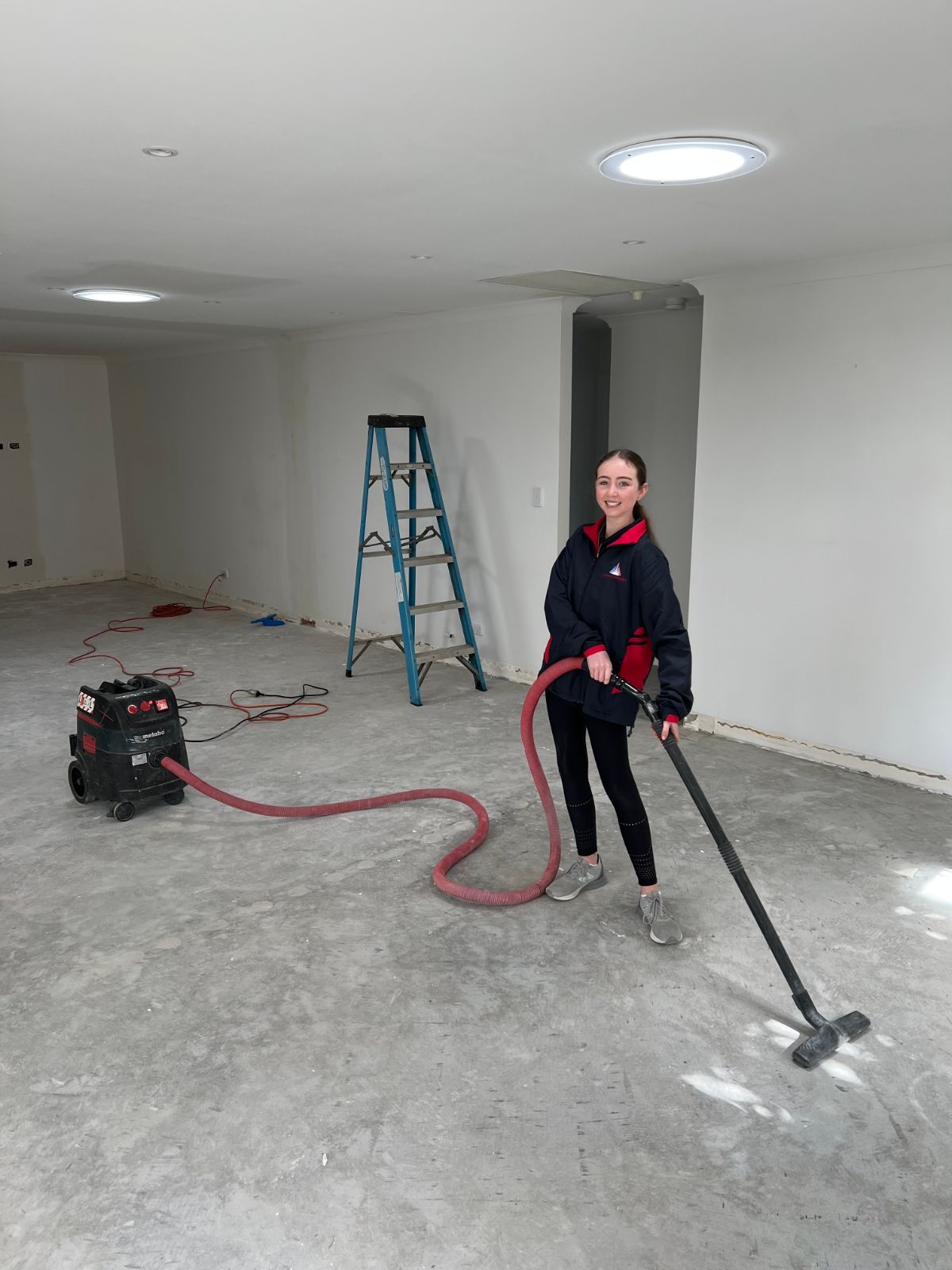
He speaks from experience. When the tiles came up in his own home, he and his daughter Abby prepared the slab themselves: grinding the high spots, checking it with a straightedge, vacuuming up the dust and priming the slab for levelling.
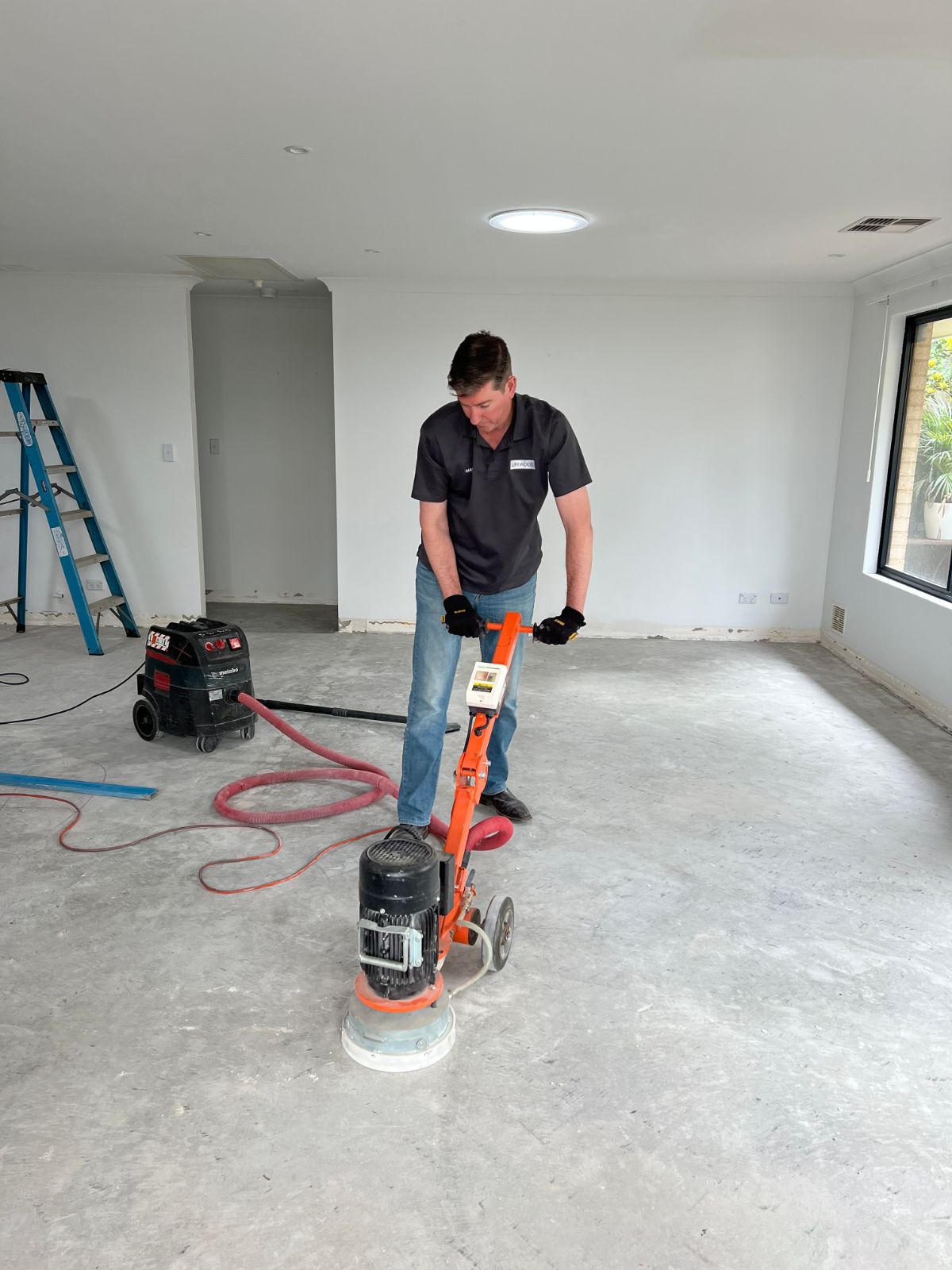
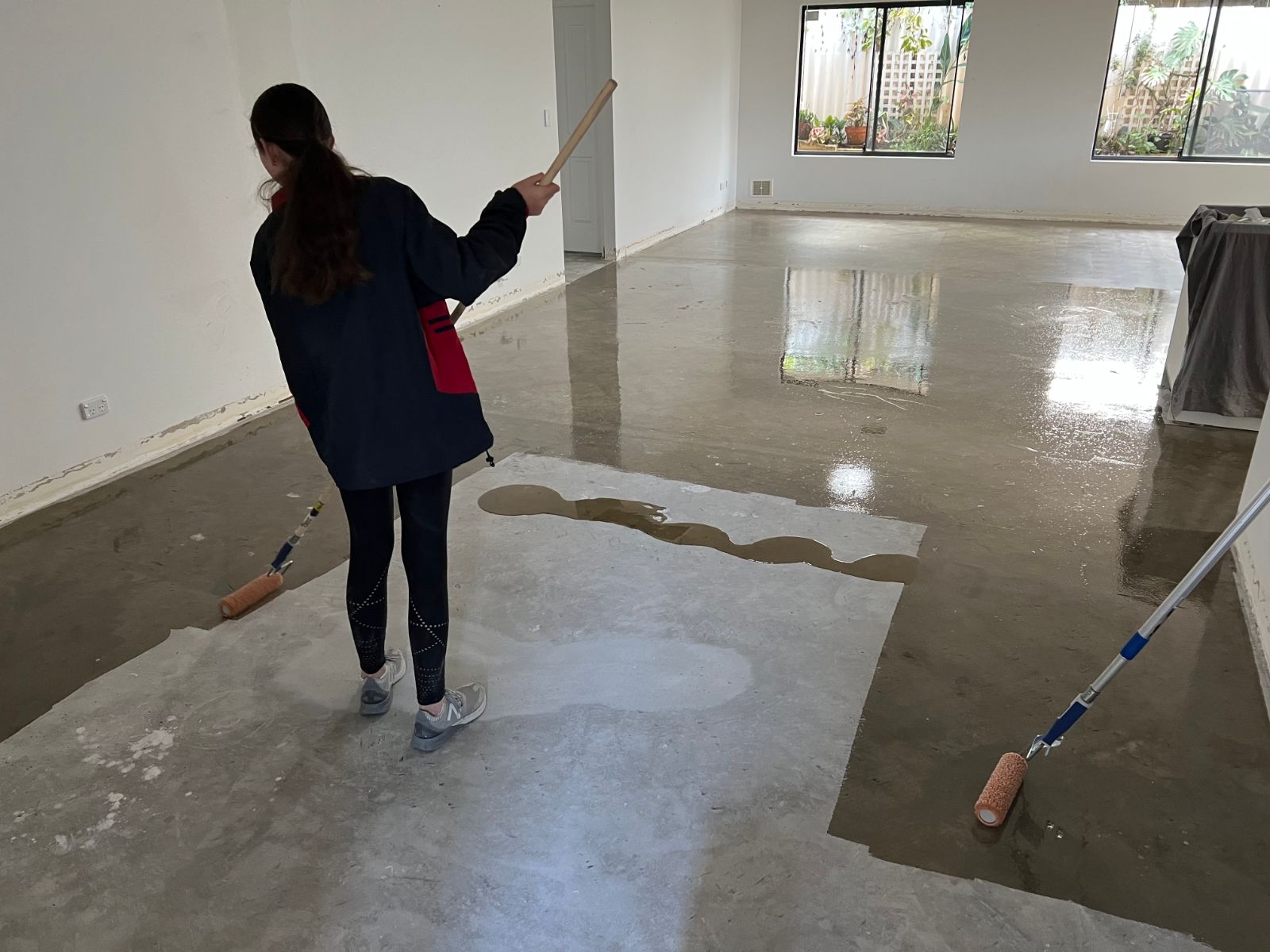
Preparing 60–100m² usually takes one to two days. A bigger or more complicated job takes longer: the Nedlands home above, with several old floors to remove, took four days. Laying the timber then runs at about 20–30m² a day, so a 60m² floor is roughly three to five days of laying and 100m² about five to seven. You can walk on a new Lifewood floor the night it is finished.
Before you sign, ask three things: roughly how much you should budget for preparation, how many days it will take, and what precautions you need to take at the house.
The last one matters more than people expect. One of our customers recently had their floor prepared and hadn't realised there would be dust. They were very unhappy about it. A good contractor tells you about the dust, the noise and which rooms to empty before the grinder is switched on.
Floor preparation for timber in Perth usually costs between $15 and $80 per square metre. Tile removal is about $30–40/m², grinding and levelling the slab adds $20–40/m², and flood-filling over sound tiles is about $15–25/m².
Removing floor tiles in Perth usually costs $30–40 per square metre, sometimes up to $50. Slate costs $50/m² or more. Check whether the quote includes grinding off the old adhesive.
A glued-down timber floor needs the slab flat to within 3mm under a 3m straightedge. Low spots cause hollow-sounding boards and high spots cause rocking.
Yes, especially over tiles. Someone needs to check whether the tiles are glued down, loose, glossy or hollow before preparation can be quoted. Lifewood's site supervisor, salesperson or installer can do this before you commit.
Yes, if the tiles are sound and bonded. They are ground, primed and flood-filled with levelling compound for about $15–25/m², then the timber is glued on top. About two-thirds of Lifewood customers still choose to remove the tiles.
Preparing 60–100m² of floor usually takes one to two days, before the timber is laid at about 20–30m² a day. A home with several old floors to remove can take longer.
Ask roughly how much to budget for preparation, how many days it will take, and what precautions you need to take at the house, including dust.
No. Lifewood prices boards only, from $129/m² to $259/m², GST included. Floor preparation and installation are quoted separately after a site inspection.
Come and stand on it.
Our flooring consultants are here to answer your questions, in person or on the phone.
Still exploring? Download our price guide.