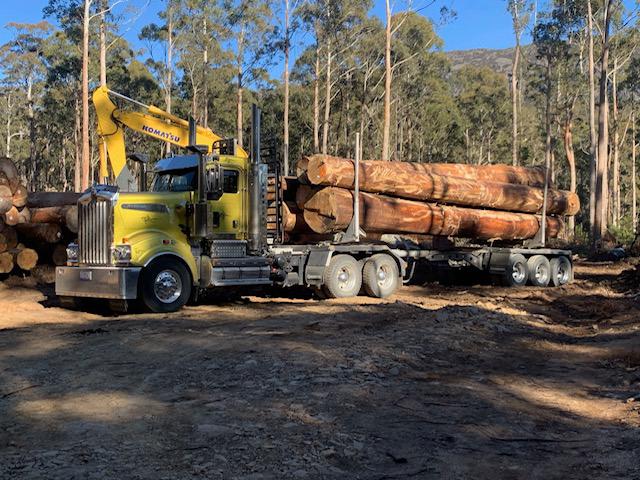

If you're shopping for timber flooring right now, here's a supply-chain shift worth knowing about: state-owned native hardwood harvesting in South East Queensland ended on 31 December 2024, and the government's own plantation program meant to replace that supply hasn't caught up yet. More and more of Australia's hardwood flooring and floorboards are now coming from regulated farms, not state forests.
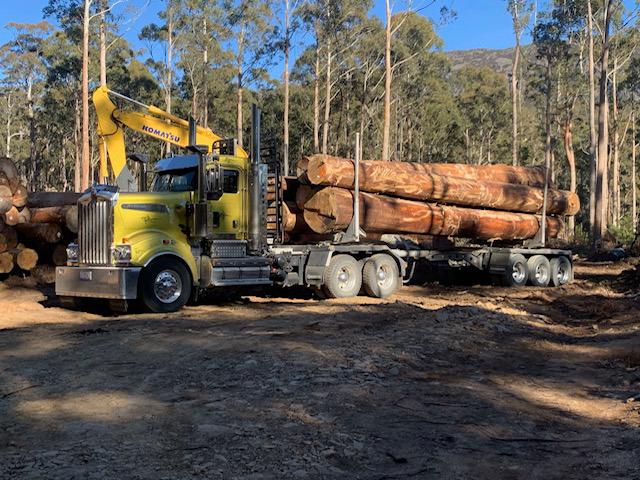
That's not a crisis story, and it isn't a reason to panic-buy a floor. It's simply useful context if you're weighing up engineered timber flooring or solid timber flooring for your home and want to know the resource is actually going to be there — this year and in ten years' time.
Why should a flooring shopper care where the timber comes from?
Three reasons, in plain terms:
Availability. If the timber flooring industry is quietly shifting its main supply source, that affects which species and grades are consistently available, and at what price. Better to know now than to fall in love with a floor that becomes hard to source later.
Sustainability. "Sustainable hardwood flooring" is a phrase used loosely across the industry. Where the timber actually comes from — and how that source is regulated — is the difference between a real answer and a marketing line.
Price stability. Supply squeezes tend to show up in price. Understanding the direction the supply chain is heading helps explain why hardwood floorboard prices move the way they do.
The scale of the shift
Private native forests already cover more than 10 million hectares across Queensland and supply roughly half the state's native hardwood resource — and that's before accounting for the state forest wind-down. With state-owned harvesting in South East Queensland now ended, and the plantation replacement program running behind schedule, farms aren't a backup source of hardwood flooring timber any more. They're on track to become the main one.
In practical terms: the Blackbutt floorboards and Spotted Gum floorboards going into Australian floors are increasingly likely to have started life on a working farm, not in a state forest. See the species-by-species differences between Blackbutt and Spotted Gum if you're comparing the two for your own floor.
Is farm-sourced hardwood flooring actually regulated?
Yes — this is the part that matters most, and it's easy to miss. Private and farm forestry in NSW and Queensland runs under legally binding codes of practice, not informal arrangements. We've covered exactly what those codes require in two earlier posts: the NSW Private Native Forestry Code's basal area and habitat protections, and Queensland's self-assessable native forest practice code and its forestry-versus-clearing distinction. As farms take on a bigger share of the country's hardwood flooring supply, the strength of that regulation is doing more of the work of keeping Australian hardwood sustainable overall — not less. We've also written honestly about where third-party certification like FSC and PEFC fits alongside code compliance, for anyone weighing the two up.
Why this is actually good news for the resource
The evidence for farm forestry's sustainability, at least in Queensland, is already strong and already published. A 2021 peer-reviewed study tracked 315 permanent sample plots — some with records dating back to 1931 — across close to 9.5 million hectares of southeast Queensland's native forest. It found selective harvesting has not reduced the density of large old trees at a regional scale, and found little evidence of damage to growth rates, timber production or carbon storage. That's ninety years of measured, remeasured, published evidence behind a resource base that's now taking on a larger role in national supply, not a smaller one.
Why this matters for the farmers behind your floor
As demand for regulated farm forestry timber grows, the economics of thinning a paddock properly — selling the whole harvest rather than just the best few premium logs — matter more, not less. That's the piece we've written about separately: Lifewood deliberately buys standard-grade logs, not premium ones, so the farmers and foresters we work with can sell more of what a thinning operation actually produces — and why we recover a minimum of 70% of every log as flooring, covered in our post on the honest recovery numbers. A hardwood flooring supply chain that leans harder on private landholders only stays sustainable if there's a real, ongoing market for what those landholders are legally allowed and required to produce.
FAQ
Will hardwood flooring become harder to get in Australia?
Not necessarily — but where it comes from is changing. As state forest supply winds down, regulated farm forestry is stepping up to fill the gap, which is why the strength of that regulation matters more than it used to.
Is timber flooring sourced from farms less sustainable than state forest timber?
Not based on the evidence so far. Farm forestry in NSW and Queensland operates under legally binding codes with hard numeric limits — basal area floors, habitat tree protections, mandatory regeneration checks — backed by decades of published research showing no measurable damage to the resource at scale.
Does this affect the price of engineered timber flooring?
Supply shifts like this one are exactly the kind of thing that influences pricing over time, which is part of why it's worth understanding now rather than after the fact.
The takeaway
Australian hardwood isn't disappearing — but where your floorboards actually come from is genuinely shifting, from state forest toward regulated private and farm forestry. That shift is only as sustainable as the codes governing it and the demand supporting the farmers who work under them. Lifewood's Blackbutt hardwood flooring and Spotted Gum hardwood flooring sit right in the middle of that shift, which is exactly why we've spent so much of this content series explaining the regulatory detail rather than just asserting the word "sustainable."
See both species of solid and engineered hardwood flooring on the Blackbutt and Spotted Gum product pages, or download our price guide to compare both against the rest of the range.