Inspiration & Customer Stories
Timber Guides

“Choosing hardwood flooring comes down to four things: how long it lasts, what type suits your home, how it gets installed, and who installs it. Get those right and you get it right once.”
— Mark Hutchison, Founder, Lifewood
Choosing hardwood flooring in Australia is one of the most important decisions you'll make in a renovation or new build. The right choice delivers a floor that lasts decades, requires minimal maintenance and adds long-term value. The wrong choice can mean premature wear, replacement costs and disruption. This 2026 guide walks through the four key decisions that determine which hardwood flooring is right for your home and lifestyle.
1. Durability — will it last? · 2. Type — engineered vs solid vs Stabilised Solid? · 3. Installation method — float, direct stick or nail? · 4. Supplier quality — who installs it determines the result.
Start with the manufacturer's warranty — most quality hardwood in Australia offers 25–30 years structural warranty; premium suppliers like Lifewood offer a lifetime warranty. But look beyond the warranty: consider resistance to wear and damage, the ability to repair or replace individual boards, and long-term structural stability. A well-maintained Stabilised Solid floor can still look its best after 15+ years.
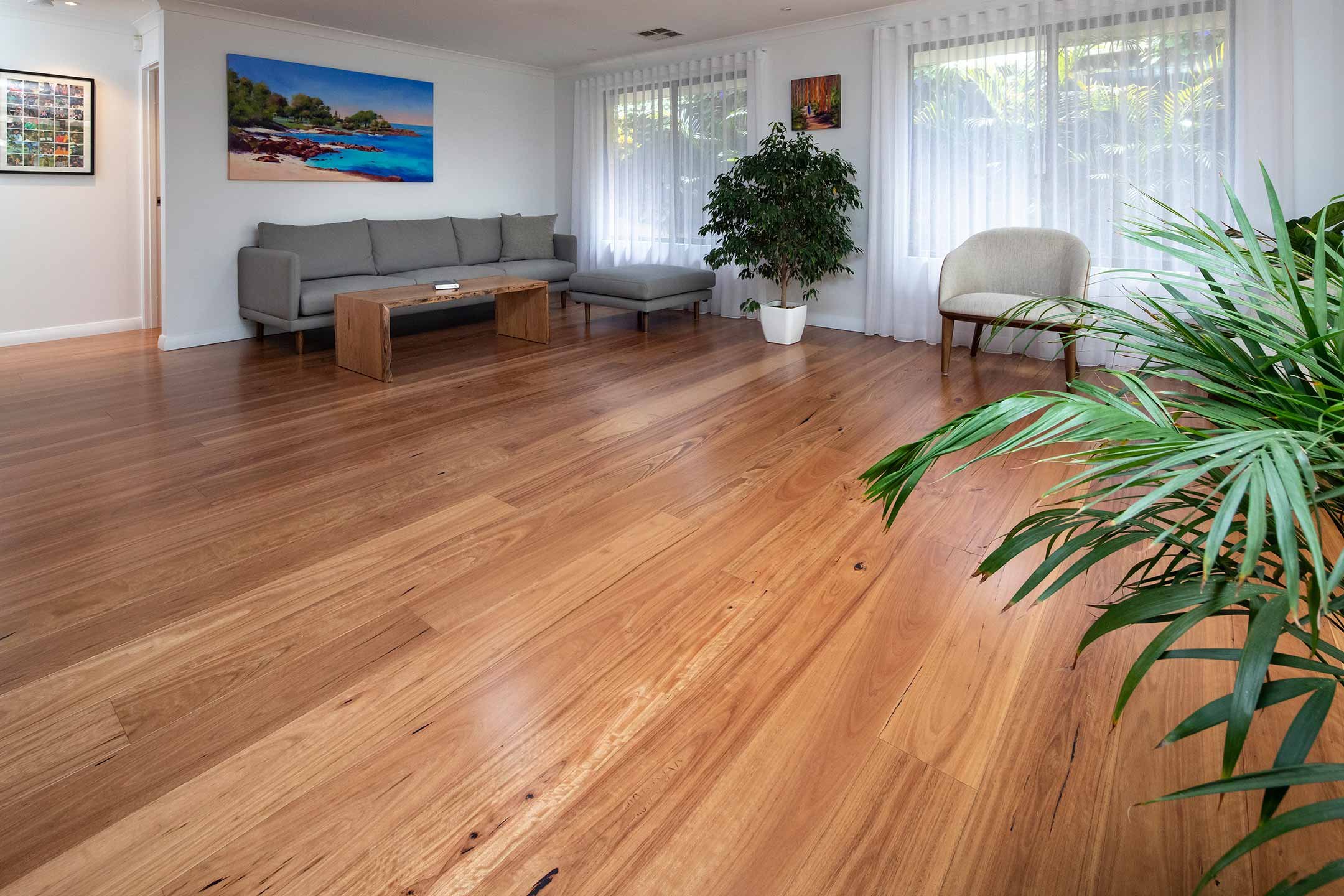
Solid timber offers maximum longevity and a traditional feel. Engineered timber — a layered construction with a real timber surface — is more stable, faster to install and better suited to modern homes and Australia's changing climate. Lifewood's Stabilised Solid combines the best of both: 100% real timber, engineered stability and a re-sandable surface, backed by a lifetime warranty. For most Australian homes in 2026, engineered or Stabilised Solid is the practical choice.
Direct stick (glue-down) creates a solid, stable feel with minimal movement — the preferred method for most Lifewood installations. Floating is faster and more budget-friendly but restricts future refinishing. Nail-down is used mainly for solid timber on timber joists. Choose your method based on your subfloor type, budget and long-term plans for the home.
The supplier and installer you choose determines your final result as much as the product. Read verified reviews, compare consistency, ask about installation processes and provide details about your home. A good supplier will guide you, not just sell to you. Browse our Australian Hardwood range, Blackbutt and Spotted Gum options to compare.
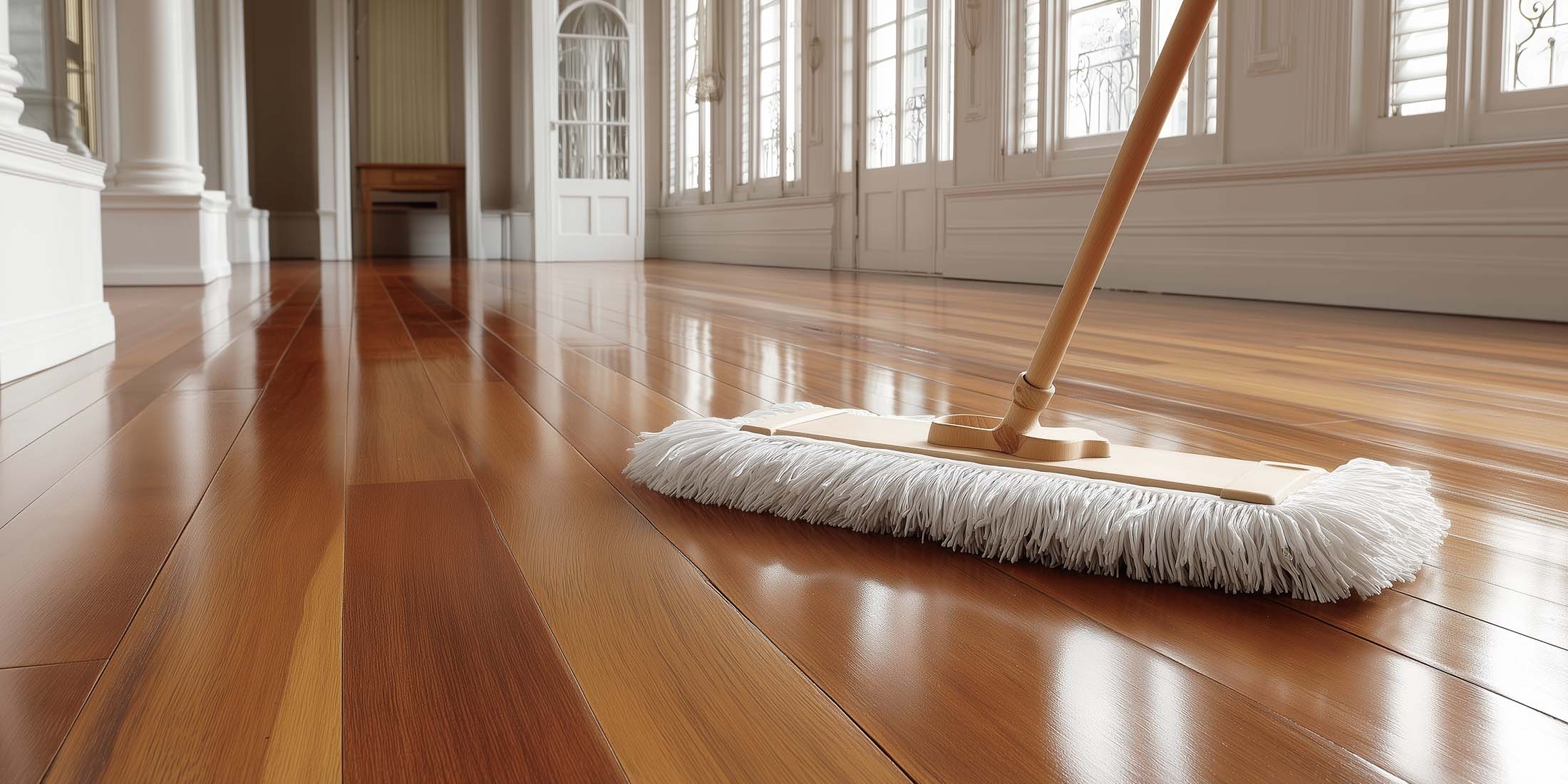
Regular sweeping or vacuuming, a monthly damp mop with a pH-neutral timber cleaner, and wiping spills promptly keeps hardwood looking its best for decades. Avoid excess moisture, steam mops and harsh chemicals. Well-maintained hardwood flooring can look as good as new even after many years of family use.
Compare species, types and real pricing in the Lifewood 2026 Price Guide.
Download the 2026 Price GuideBook an AppointmentIs hardwood flooring worth it in Australia?
Yes. Hardwood flooring is a long-term investment that offers durability, easy maintenance, consistent aesthetics and lasting value. Most homeowners find they don't need to replace it as they would carpet or hybrid flooring.
What is the best type of hardwood flooring for families?
Engineered timber or Lifewood's Stabilised Solid is preferred for most families due to stability, versatility and performance in high-traffic areas. Both options work across the whole home consistently.
How long does hardwood flooring last in Australia?
Quality hardwood lasts 20–50+ years with proper care. Stabilised Solid floors with regular maintenance can last a lifetime, as the surface can be re-sanded and refinished multiple times.
What is the best installation method for hardwood flooring?
Direct stick (glue-down) provides the most stable result for most homes. Floating is a faster, more affordable option suited to lower-traffic areas. Nail-down is mainly used for solid timber on timber joists.
Is hardwood flooring hard to maintain?
No. Regular sweeping, a damp mop monthly and prompt spill wiping is all it takes. Hardwood is significantly easier to maintain than carpet and does not trap dust, allergens or pet hair.
Is it worth paying more for premium hardwood flooring?
Yes, especially if you plan to stay in the home long-term. Premium hardwood with a lifetime warranty and re-sandable surface delivers a far better cost-per-year outcome than cheaper alternatives that require replacement within 10–15 years.
Premium Australian and European hardwood floors for every home.
View All Timber Flooring